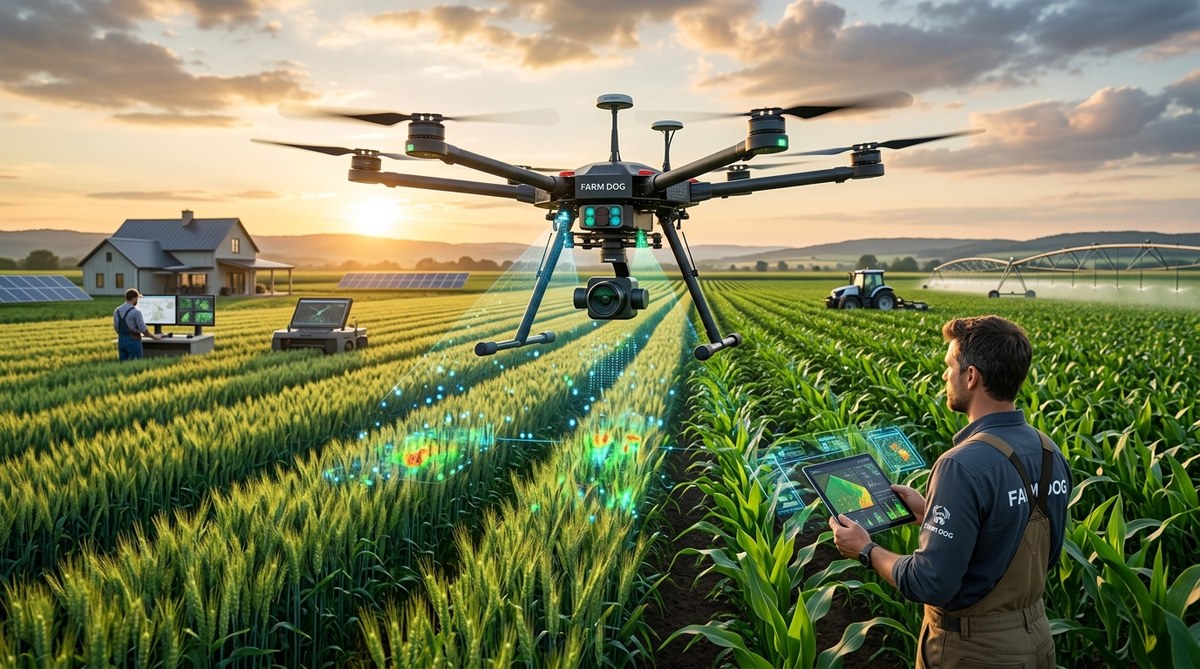
Drones are reshaping the future of farming in 2026. They now play a crucial role in precision agriculture, helping farmers monitor crops, assess field conditions, and make data-driven decisions. As technology advances, drones become more accessible, affordable, and capable of delivering insights that boost productivity and sustainability. Whether you manage a small farm or a large operation, understanding how to leverage drone technology can significantly improve your farming practices.
In 2026, drone technology for precision farming offers farmers powerful tools for crop monitoring, resource management, and yield optimization. Integrating drones into daily operations leads to smarter, more sustainable farming practices, ensuring higher productivity and better resource use.
How drone technology is transforming agriculture in 2026
Drones have become indispensable tools for modern farmers. They provide real-time aerial views, collect detailed imagery, and gather critical data on crop health. This shift allows for more precise application of water, fertilizers, and pesticides. The result is more efficient resource use and healthier crops.
Thanks to advancements in sensors and AI, drones can now identify specific issues such as pest infestations, nutrient deficiencies, or disease outbreaks. This targeted approach reduces waste and minimizes environmental impact. As a result, farms become more sustainable and profitable.
Practical steps to incorporate drones into your farming routine
Implementing drone technology requires a strategic approach. Here are three key steps to get started:
- Identify your primary needs
Determine which aspects of your farm could benefit most from aerial data. Are you looking to monitor crop health, optimize irrigation, or identify pest problems? Clarifying your goals helps select the right drone system.
- Choose the right drone and sensors
Select a drone suited for your farm size and specific tasks. Consider features like multispectral cameras for plant health analysis or thermal sensors for irrigation management. Research models with proven performance in agriculture.
- Develop a drone management plan
Establish protocols for flying, data collection, and analysis. Schedule regular flights to monitor progress and respond to issues promptly. Use farm management software to integrate drone data into your overall operations.
Key drone techniques for precision farming
| Technique | Description | Common mistakes | Tips for success |
|---|---|---|---|
| Field mapping | Creating detailed maps of fields for planning | Overlapping images | Use consistent flight patterns and overlapping routes to ensure accuracy |
| Crop health analysis | Assessing plant vigor using multispectral imagery | Misinterpreting data | Cross-reference images with ground inspections |
| Irrigation monitoring | Detecting dry spots or overwatered areas | Ignoring environmental factors | Combine thermal data with weather info for better insights |
| Pest detection | Identifying infestations early | Flying at low altitudes | Maintain steady flight paths for high-quality images |
“The key to successful drone use in farming is consistency. Regular data collection and proper analysis lead to actionable insights that improve yields.” — AgriTech Expert
Maximizing the benefits of drone technology in your farm
Farmers who adopt drone technology see tangible improvements. They can quickly identify issues, reduce input costs, and boost productivity. Here are some benefits:
- Faster crop assessments than manual scouting
- Precise application of fertilizers and pesticides
- Better resource management, including water and nutrients
- Early detection of pests and diseases
- Data-driven decision making for planting and harvesting
Practical processes for effective drone deployment
- Conduct a site survey to understand field variability.
- Develop a flight schedule aligned with crop growth stages.
- Use drone data to inform targeted interventions.
- Keep detailed records of drone flights and findings.
- Continually evaluate and update your drone strategy based on results.
Balancing drone use with other precision tools
While drones are powerful, combining them with other technologies enhances results. Digital soil sensors, weather stations, and farm management platforms create a comprehensive picture of farm health. This integrated approach ensures you use resources wisely and respond swiftly to emerging issues.
| Technique | Mistake | Success tip |
|---|---|---|
| Using only drones | Missing ground-level details | Combine aerial data with on-the-ground inspections |
| Ignoring data analysis | Overlooking actionable insights | Invest in software that interprets drone data effectively |
| Relying solely on technology | Missing human judgment | Use drone data as a supplement to experience and observation |
“Drones are an excellent tool, but they work best when integrated with other data sources. Combining aerial imagery with soil sensors and weather data creates a full farm picture.” — Agronomist Jane Smith
Future trends in drone technology for farming
Looking ahead, drone capabilities will continue to grow. Expect increased autonomy, longer flight times, and smarter AI analysis. Newer models will handle larger fields more efficiently, making precision farming even more accessible.
Regulations are also evolving. Staying compliant ensures safe and legal use of drones. As laws loosen, small farmers will find it easier to incorporate drone technology without heavy investment.
Common challenges and how to avoid mistakes
| Challenge | Mistake | Solution |
|---|---|---|
| Battery limitations | Flying only short missions | Invest in high-capacity batteries and plan flights accordingly |
| Data overload | Ignoring useful info | Use software that filters and highlights key insights |
| Regulatory hurdles | Operating illegally | Stay informed about local drone laws and obtain necessary permits |
Expert advice for farmers embracing drone technology
“Start small. Test different sensors and flight plans to see what works best for your farm. Patience and consistency are key to unlocking drone benefits.” — Dr. Emily Carter, Precision Agriculture Specialist
A final note on mastering drone technology in farming
Integrating drone technology into your farm operations in 2026 can lead to smarter, more sustainable practices. Focus on your unique needs, select appropriate equipment, and develop a disciplined management plan. Over time, these tools will become vital allies in your quest for higher yields and resource efficiency.
By staying current with technological advancements and regulatory changes, you can position your farm for success. Embrace the potential of aerial data to make informed decisions and foster a more resilient farming future.
