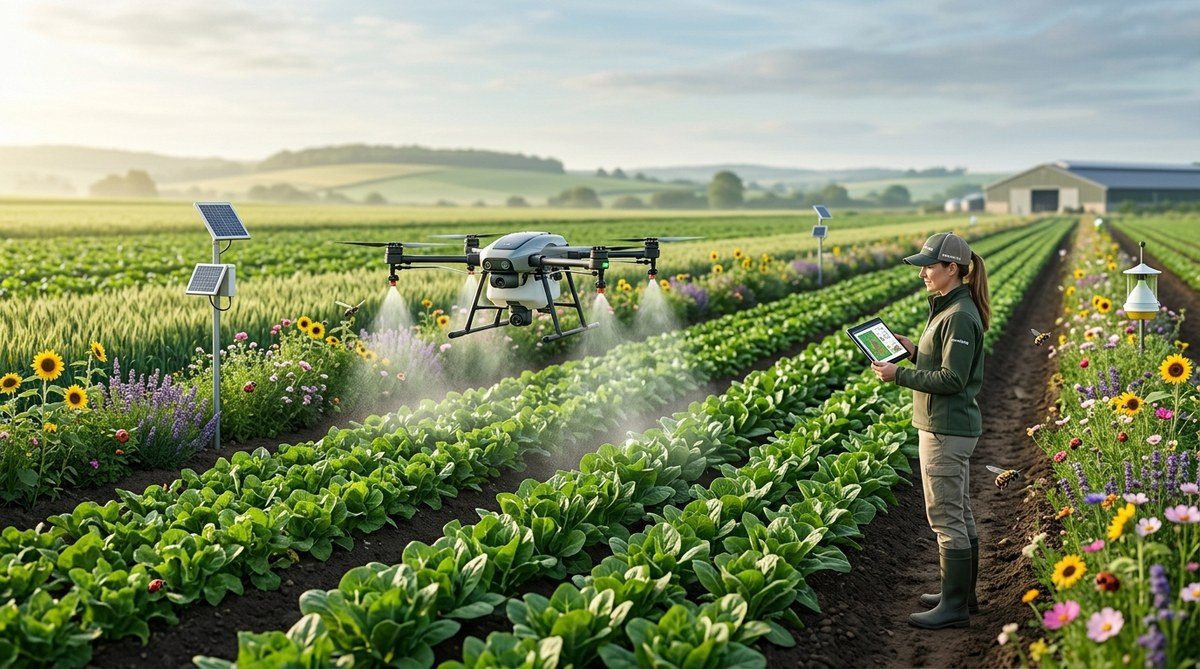
Farmers and researchers are constantly searching for smarter ways to manage pests. Traditional methods often rely heavily on chemical pesticides, which can harm ecosystems and lead to resistance. Luckily, a new wave of innovative pest management techniques offers eco-friendly solutions that support sustainable farming. These methods blend science, nature, and technology to keep pests under control while safeguarding the environment and ensuring healthy crops. Embracing these techniques can lead to more resilient farms and healthier food systems.
Innovative pest management techniques for sustainable farming focus on eco-friendly methods like biological controls, habitat manipulation, and targeted interventions. These approaches reduce chemical use, promote biodiversity, and improve crop health, leading to resilient, productive farms.
Understanding the Shift Towards Sustainable Pest Control
Sustainable farming aims to meet current food needs without compromising the environment or future generations. Pest management plays a critical role in this goal. Conventional pesticides can cause pollution, harm beneficial insects, and lead to pest resistance. This has prompted a shift towards innovative strategies that work with nature rather than against it.
Why Traditional Methods Fall Short
- Heavy reliance on chemical pesticides can disrupt ecosystems.
- Pests develop resistance, requiring more potent chemicals.
- Non-target species, including pollinators, suffer collateral damage.
- Consumer demand for organic and chemical-free produce is rising.
The Promise of Innovation
New techniques prioritize biological diversity and ecological balance. They harness natural pest control agents, implement smarter monitoring, and use precision interventions to target pests only when necessary. These practices not only protect the environment but also boost farm productivity and resilience.
Practical Approaches to Innovative Pest Management
Adopting innovative techniques involves a combination of strategies. Here are three essential steps to integrate eco-friendly pest control into your farming routine:
- Identify and Monitor Pest Populations Regularly
Use traps, visual inspections, and digital tools to keep tabs on pest levels. Early detection helps prevent outbreaks and reduces unnecessary pesticide applications.
- Implement Biological Controls
Introduce natural enemies such as ladybirds, parasitic wasps, or beneficial nematodes that target specific pests. Using biocontrol agents minimizes chemical use and enhances ecological balance.
- Manipulate the Farm Environment
Adjust planting times, crop rotation, and habitat features to make the environment less attractive to pests. Incorporating cover crops or flowering plants can attract beneficial insects, creating a natural pest suppression system.
An Actionable Framework for Pest Management
| Step | Technique | Common Mistakes | Why It Matters |
|---|---|---|---|
| 1 | Pest monitoring | Ignoring early signs, infrequent checks | Early detection prevents large outbreaks |
| 2 | Biological controls | Releasing the wrong predators, timing errors | Targets pests effectively without chemicals |
| 3 | Habitat manipulation | Planting unsuitable cover crops, poor crop rotation | Supports beneficial insects and reduces pest habitat |
Natural Pest Control Agents at Work
- Predatory insects like ladybirds and lacewings feed on aphids and mites.
- Parasitic wasps lay eggs inside pest larvae, disrupting their development.
- Nematodes attack soil-borne pests such as root weevils and cutworms.
- Botanical extracts like neem oil or garlic sprays act as repellents or disrupt pest reproduction.
“Integrating biological controls with habitat management creates a self-sustaining system that keeps pests in check naturally. It’s about working with ecosystems, not fighting against them,” advises Dr. Laura Green, an entomologist specializing in sustainable agriculture.
Embracing Technology for Smarter Pest Monitoring
Advancements in technology are making pest management more precise and efficient. Tools such as remote sensing, drones, and Internet of Things (IoT) devices allow farmers to track pest movements and populations in real time.
Smart Pest Monitoring Systems
- Use cameras and sensors to detect pest activity.
- Employ data analytics to predict outbreaks.
- Automate pest trapping and reporting.
This data-driven approach minimizes unnecessary interventions and ensures that pest control measures are applied only when needed.
Biological Pesticides and Naturally Derived Products
Biopesticides and plant-based repellents are gaining popularity. They are often specific to pests and degrade quickly, reducing environmental impact.
- Biopesticides like Bacillus thuringiensis target specific insect larvae.
- Plant extracts such as neem or pyrethrum act as repellents or growth inhibitors.
- Nanotechnology enhances delivery and efficacy of natural agents.
Common Pitfalls and How to Avoid Them
| Technique | Mistake | Consequence | Solution |
|---|---|---|---|
| Biological controls | Introducing the wrong predator | Pest populations persist or worsen | Identify pests accurately before releasing agents |
| Habitat manipulation | Overplanting or improper crop rotation | Pests find refuge, spreading | Plan crop sequences and habitat features carefully |
| Pesticide timing | Applying chemicals too late or too early | Reduced effectiveness, resistance | Use pest monitoring data to time interventions |
The Role of Farmer Knowledge and Community Collaboration
Successful pest management depends on informed decisions. Sharing knowledge with neighboring farmers and participating in local networks can improve pest detection and response. Practical training on identifying pests and beneficial insects enhances confidence and effectiveness.
Building a Resilient Farming Community
- Participate in field days and workshops.
- Share pest alerts and control strategies.
- Collaborate on habitat enhancement projects.
Final Thoughts on Sustainable Pest Management
Innovative pest management techniques for sustainable farming prioritize working with nature to control pests. They rely on understanding pest ecology, deploying biological controls, and leveraging technology. These methods reduce chemical dependence, protect biodiversity, and promote farm resilience.
By adopting a proactive, science-based approach, farmers can maintain healthy crops while safeguarding the environment. Incorporate regular monitoring, introduce beneficial insects, and manipulate habitats to create a balanced, pest-resistant farm ecosystem. Small changes can lead to significant benefits over time.
Supporting a healthier farm ecosystem through smart pest management
Applying these innovative techniques requires patience and persistence. Start with small steps, gather data, and adapt your strategies. Over time, these practices will become second nature, leading to more sustainable and productive farming. Remember, nature has the answers; it’s about learning to listen and work in harmony with it.
