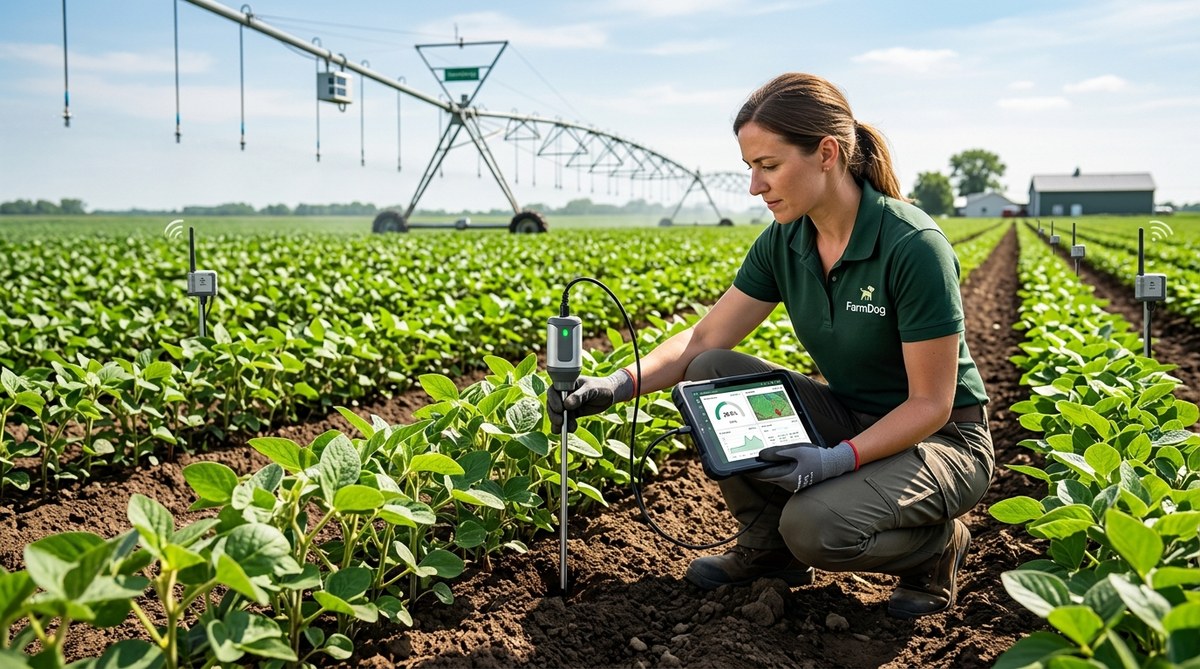
Digital soil sensors are transforming the way farmers and agronomists manage crop health and soil conditions. These advanced tools provide real-time data on soil moisture, nutrients, temperature, and more. By harnessing this information, users can make smarter decisions that lead to healthier crops and higher yields. As agriculture continues to embrace technology, understanding how to implement digital soil sensors effectively becomes essential for sustainable and productive farming.
Digital soil sensors for crop management provide precise, real-time insights into soil health. Using them enhances crop yields, conserves resources, and promotes sustainable farming practices.
Understanding the Role of Digital Soil Sensors in Modern Agriculture
Digital soil sensors are small electronic devices placed in the ground to monitor key soil parameters continuously. They collect data on moisture levels, nutrient content, pH, temperature, and other factors influencing crop growth. This information is transmitted via wireless networks to farmers’ devices or cloud platforms, enabling data-driven decision-making.
The shift toward sensor-based farming reflects a broader trend of integrating the Internet of Things (IoT) into agriculture. These sensors act as the eyes and ears of the soil, providing detailed insights that surpass traditional testing methods. They allow for timely interventions, reducing waste and optimizing inputs like water, fertilizers, and pesticides.
Benefits of Implementing Digital Soil Sensors for Crop Management
- Increased crop yields: Precise data helps tailor irrigation and fertilization, leading to healthier plants.
- Resource conservation: Sensors inform efficient water and nutrient use, reducing waste.
- Early problem detection: Real-time alerts identify issues like drought stress or nutrient deficiencies early.
- Enhanced soil health: Continuous monitoring supports sustainable soil management practices.
- Cost savings: Optimized input application lowers expenses and improves profitability.
Practical Steps to Incorporate Digital Soil Sensors
Adopting digital soil sensors involves a straightforward process that can be broken down into three key steps:
1. Choose the Right Sensors for Your Crop and Soil Conditions
Start by selecting sensors suited to your specific needs. Consider factors like crop type, soil characteristics, and environmental conditions. Some popular options include:
- Soil moisture sensors for precise irrigation control.
- Nutrient sensors to monitor levels of key elements such as nitrogen and phosphorus.
- pH sensors for soil acidity or alkalinity.
- Temperature sensors to track soil warmth, influencing seed germination and root development.
When choosing sensors, prioritize durability, accuracy, and compatibility with your existing data systems.
2. Deploy and Position Sensors Strategically
Proper placement ensures reliable data collection. Here are tips for effective deployment:
- Space sensors evenly across different field zones to capture variability.
- Install sensors at root zone depth for relevant measurements.
- Use wireless connectivity options to reduce wiring complexity.
- Ensure sensors are protected from physical damage, especially in harsh weather conditions.
3. Integrate Data and Take Action
Once sensors are in place, connect them to your farm management platform or software. Many sensors come with companion apps or cloud dashboards. Here’s how to proceed:
- Set thresholds and alerts for key parameters.
- Regularly review data trends to adjust irrigation, fertilization, or other practices.
- Automate responses where possible, such as activating irrigation when soil moisture drops below a set level.
- Keep detailed records to track changes over time and inform future decisions.
4. Analyze Data and Optimize Management Strategies
Interpreting sensor data is crucial. Use it to:
- Identify patterns indicating soil degradation or nutrient imbalances.
- Adjust input schedules based on real-time needs.
- Plan crop rotations or soil amendments to improve long-term health.
- Share insights with research teams or extension services for tailored advice.
“The key to successful digital soil sensor implementation lies in continuous data analysis and timely action. These tools turn raw data into practical steps that enhance productivity.” — Agronomic Expert Jane Doe
Techniques and Common Pitfalls in Sensor Deployment
| Technique | Mistake to Avoid |
|---|---|
| Proper sensor placement at root zone | Installing sensors too shallow or too deep |
| Regular calibration of sensors | Relying on factory calibration without adjustments |
| Maintaining clean, dry connections | Ignoring sensor maintenance leading to errors |
| Using wireless networks suited for rural areas | Overlooking connectivity issues in remote fields |
Enhancing Farm Efficiency Through Data-Driven Decisions
Using digital soil sensors for crop management can lead to more than just higher yields. It supports sustainable farming by reducing excess chemical use and conserving water. For example, sensors can inform variable rate fertilization, ensuring nutrients are only applied where needed. This practice not only boosts crop health but also minimizes environmental impacts.
Furthermore, integrating sensor data with other farm management tools creates a holistic view of farm operations. This synergy enables better planning, resource allocation, and risk management.
Looking Ahead: The Future of Soil Monitoring Technologies
Advancements in sensor technology continue to refine soil management practices. Emerging trends include:
- Multi-parameter sensors that monitor several soil health indicators simultaneously.
- AI-powered analytics that predict future soil conditions.
- Wireless sensor networks that cover larger areas with minimal infrastructure.
- Integration with satellite imagery and drones for comprehensive field assessments.
These innovations promise even greater precision and ease of use, making smart soil management accessible to farms of all sizes.
Practical Tips for Success with Digital Soil Sensors
- Start small with a few sensors to understand their benefits.
- Select high-quality, durable sensors suited for your environment.
- Regularly maintain and calibrate sensors to ensure data accuracy.
- Combine sensor data with traditional field observations.
- Use insights to inform both immediate actions and long-term planning.
- Keep abreast of new sensor technologies and software updates.
Keep Your Soil Healthy and Your Crops Thriving
Digital soil sensors are powerful tools that bring clarity to complex soil conditions. By providing real-time, actionable data, they help farmers and researchers make informed decisions that lead to better crop outcomes. Implementing these sensors does not require complex setups or significant investments. Instead, it is about understanding your soil better and responding proactively.
As you consider integrating digital soil sensors into your farming routine, remember that the goal is to create a resilient, sustainable system. Start with small steps, stay attentive to data insights, and adapt your practices accordingly. The result will be healthier soils, more productive crops, and a more sustainable farm.
Ready to take your crop management to the next level? Embrace digital soil sensors as a practical way to improve your farm’s health and productivity. With the right approach, these tools can become invaluable allies in achieving your agricultural goals.
