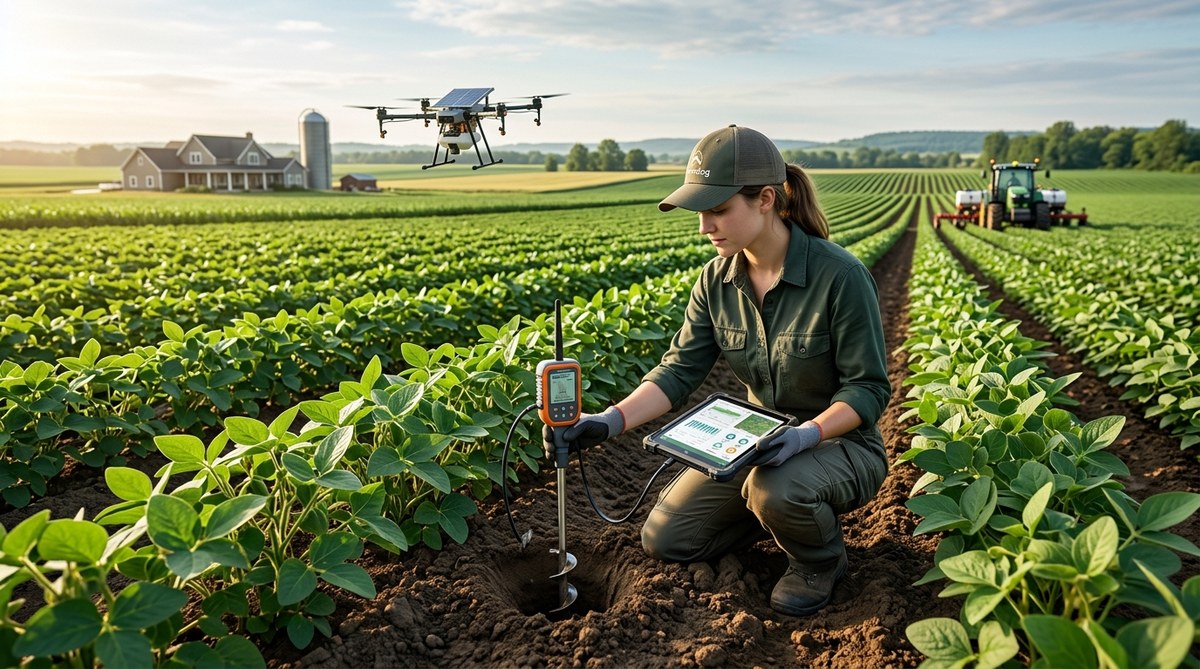
Digital soil sensors are changing the way farmers and agricultural professionals monitor and manage soil health. These tiny devices collect real-time data on soil moisture, temperature, pH, and nutrient levels. With this information, farmers can make more informed choices, optimize resource use, and boost crop productivity. The shift toward digital soil monitoring is part of a larger movement to make farming more sustainable, efficient, and profitable.
Digital soil sensors deliver real-time insights into soil conditions, enabling smarter farming practices that improve crop health, conserve resources, and increase yields. They are essential tools for modern agriculture’s data-driven future.
Understanding the Role of Digital Soil Sensors in Modern Farming
As farms become more high-tech, digital soil sensors offer a practical way to understand soil variability and health. Traditional methods often involve manual sampling, which can be time-consuming and provide only snapshots of soil conditions. In contrast, digital sensors continuously collect data, giving farmers a comprehensive picture of their fields. This technology helps detect problems early and fine-tune management practices, ultimately leading to healthier crops and better yields.
How Digital Soil Sensors Improve Crop Health
Digital soil sensors contribute to crop health in several meaningful ways. They help manage irrigation precisely, ensuring plants receive the right amount of water. They also monitor soil nutrients, guiding fertilization strategies to prevent deficiencies or excesses. Additionally, by tracking soil temperature and pH levels, these sensors assist in maintaining optimal conditions for plant growth. All this data can be integrated into farm management systems to streamline decision-making.
Practical Steps to Implement Digital Soil Sensors
Implementing digital soil sensors effectively involves a clear process. Here are three practical steps to get started:
-
Identify key soil parameters
Determine which factors most influence your crop health and yields. These may include moisture, temperature, pH, and nutrient levels. Knowing what to measure helps select appropriate sensors. -
Select suitable sensor technology
Choose sensors compatible with your needs and budget. Consider factors like wireless connectivity, durability, and ease of installation. Some sensors are designed for long-term outdoor use, resisting weather and soil conditions. -
Deploy sensors strategically
Place sensors in different zones of your fields to capture variability. Ensure proper installation depth and secure connections. Regularly calibrate sensors and collect data consistently.
Making the Most of Soil Data
Once sensors are in place, analyzing the data becomes crucial. Here are some techniques and common pitfalls to avoid:
| Technique | Mistake to Avoid |
|---|---|
| Cross-reference sensor data with weather forecasts | Relying solely on sensor readings without considering external factors |
| Use visualization tools to identify trends | Ignoring spatial variability across fields |
| Regularly calibrate sensors | Neglecting maintenance and calibration schedules |
“The true power of digital soil sensors lies in integrating their data into your farm management practices. Constantly review and act on insights to optimize crop health.”
Benefits of Using Digital Soil Sensors for Crop Health
Incorporating digital soil sensors offers numerous advantages:
- Enhanced decision-making: Access to precise data leads to better irrigation, fertilization, and pest management decisions.
- Resource conservation: Efficient water and fertilizer use reduces costs and environmental impact.
- Increased yields: Healthier soil conditions promote stronger plant growth and higher productivity.
- Early problem detection: Spotting issues like nutrient deficiencies or soil imbalance early prevents crop losses.
These benefits contribute to a more sustainable and profitable farm operation.
Overcoming Challenges with Digital Soil Monitoring
While the advantages are clear, some hurdles exist. Installing sensors requires an initial investment and some technical knowledge. Data management can be complex, especially on large farms. To address these challenges, consider working with experts or adopting user-friendly platforms that simplify data analysis. Regular maintenance and calibration are vital to ensure sensor accuracy over time.
Future Trends in Digital Soil Monitoring
The field is rapidly advancing. Emerging technologies like machine learning and artificial intelligence will enable even smarter soil management. Sensors will become more affordable and easier to deploy at scale. Integration with other farm systems, such as drone imaging and weather stations, will provide a holistic view of farm health. Staying updated on these trends can help you adopt best practices and remain competitive.
Why Digital Soil Sensors Are Essential for Sustainable Agriculture
As farms face increasing pressure to produce more with less, digital soil sensors stand out as key tools. They empower farmers to adopt data-driven practices that conserve resources and improve soil health. This shift not only benefits the environment but also enhances farm profitability. Embracing this technology is a step toward resilient and sustainable farming systems.
Final Thoughts on Embracing Soil Sensor Technology
Digital soil sensors are transforming agriculture by making soil data accessible, actionable, and precise. They enable farmers to understand their fields better and respond proactively to changing conditions. If you’re aiming to increase crop yields and sustainability, integrating these sensors into your farm can be a game-changer. Start small, learn from the data, and watch your farm thrive.
By adopting digital soil sensors, you take a significant step toward smarter, more sustainable farming. With each sensor placed, you gain clearer insights into your soil’s needs. Use this knowledge to optimize your practices, reduce waste, and boost crop health. The future of farming is here, and it is rooted in data.
