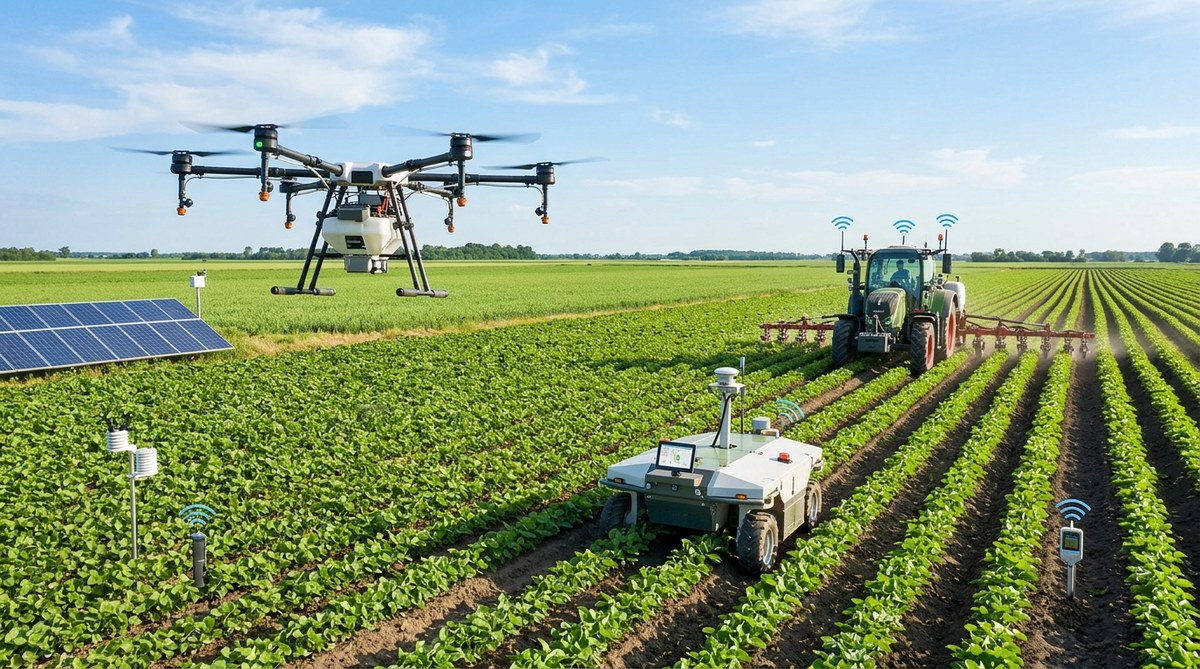
Digital farming is no longer just a vision of the future. Advances in technology are now actively transforming how farmers grow food, care for the land, and manage resources. These digital tools help farmers make smarter decisions, optimize inputs, and reduce waste. The result is more sustainable, profitable, and resilient agriculture. Whether you’re a seasoned professional or a student passionate about farming innovation, understanding these technologies opens new doors for sustainable growth.
Digital technologies for sustainable farming are revolutionizing agriculture by enabling precision resource management, reducing environmental impact, and improving crop yields. Staying updated on these innovations can help farmers adopt practices that support long-term food security and ecological health.
How digital tools are reshaping sustainable farming
The integration of digital technologies into agriculture is more than just a trend. It is a necessity for facing the challenges of climate change, resource scarcity, and increasing demand for food. These tools allow farmers to work smarter, not harder. From soil sensors to aerial imagery, digital solutions help monitor, analyze, and respond to farm conditions in real time.
Understanding key digital solutions in agriculture
Digital technologies for sustainable farming cover a wide range of tools and systems designed to optimize every aspect of crop and resource management. Here are some of the most impactful innovations:
- Precision agriculture: Using GPS-guided equipment, variable rate technology, and soil sensors to apply water, fertilizers, and pesticides only where needed.
- Remote sensing and satellite imagery: Monitoring crop health, soil conditions, and weather patterns from space or drones.
- IoT devices: Internet-connected sensors that provide real-time data on soil moisture, temperature, and crop growth.
- AI and data analytics: Analyzing large datasets to predict pest outbreaks, forecast yields, and optimize planting schedules.
- Blockchain technology: Ensuring supply chain transparency and traceability, which supports sustainable practices.
- Robotics and automation: Using autonomous tractors, drones, and harvesters to reduce labor costs and increase efficiency.
- Environmental monitoring systems: Tracking water quality, soil health, and biodiversity to inform conservation efforts.
Practical steps for integrating digital technologies into sustainable farming
Adopting new digital tools can seem daunting. Here are some practical steps to get started:
-
Identify your farm’s specific needs
Begin by assessing your current practices and pinpointing areas where digital solutions could make the greatest impact. For instance, if water use is a concern, focus on irrigation sensors and automation. -
Start small with pilot projects
Implement a small-scale pilot using soil moisture sensors or a drone for crop monitoring. This allows you to learn and adapt without a large upfront investment. -
Invest in training and support
Ensure your team understands how to operate new systems. Many providers offer training sessions and ongoing support. -
Leverage data for decision making
Use analytics tools to interpret the data collected. This can guide planting, fertilization, and harvesting schedules. -
Scale up gradually
Expand successful pilot projects across your farm. Keep track of results and adjust strategies as needed. -
Collaborate and share insights
Join local or online networks to learn from other farmers’ experiences. Sharing insights can accelerate adoption and innovation.
Common pitfalls and how to avoid them
Implementing digital tech is not without challenges. Here’s a quick table outlining common mistakes and how to sidestep them:
| Mistake | Solution |
|---|---|
| Overlooking training needs | Invest in comprehensive training for staff |
| Ignoring local farm conditions | Choose solutions suited to your farm’s climate and soil |
| Underestimating costs | Start with scalable options to manage expenses |
| Neglecting data management | Establish clear protocols for data collection and analysis |
| Failing to update systems | Keep software and hardware current for security and efficiency |
“The key to successful digital adoption is understanding your farm’s unique landscape and starting small. As confidence grows, expand your digital ecosystem gradually.” — Farm technology expert
How to evaluate the impact of digital tools
Measuring the effectiveness of digital innovations is critical. Consider tracking these indicators:
- Water and input savings
- Reduction in chemical usage
- Crop yield improvements
- Soil health metrics
- Cost savings and return on investment
Regular reviews help refine your approach and ensure your efforts support sustainability goals.
Future trends shaping sustainable farming
Looking ahead, digital technologies will continue to evolve. Emerging trends include:
- Integration of artificial intelligence for predictive analytics
- Use of machine learning to optimize resource use
- Advanced robotics for planting, tending, and harvesting
- Digital twin models to simulate farm scenarios
- Greater focus on data privacy and cybersecurity
Staying ahead of these trends allows farmers to adopt practices that are both eco-friendly and economically viable.
Final thoughts: making technology work for sustainable farms
Digital tools are no longer optional but essential for sustainable agriculture. They empower farmers to reduce waste, conserve resources, and improve productivity. The journey begins with understanding your farm’s needs and gradually integrating suitable technologies. As you become more comfortable with these systems, you’ll find new ways to enhance sustainability while maintaining profitability.
Remember, technology is a means to support your farming vision. Embrace innovation, learn continuously, and share your experiences. The future of farming depends on our ability to adapt and harness these powerful tools for a healthier planet and a more secure food supply.
For a deeper dive into specific digital solutions, consider exploring resources on harnessing IoT devices for modern farming practices or strategies for using data analytics to maximize crop yields.
