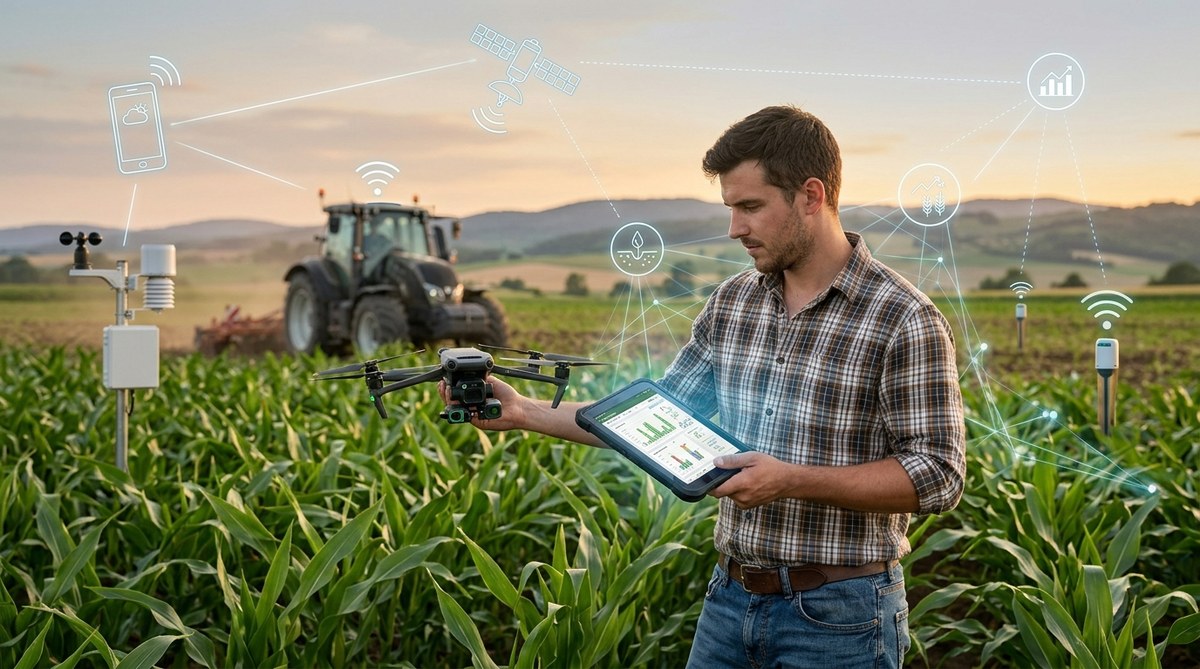
Unlocking the potential of technology in agriculture has become a game-changer. Farmers no longer rely solely on traditional methods. Instead, they harness a suite of innovative digital tools that boost productivity, reduce waste, and promote sustainability. From precision farming to data analytics, these tools are transforming how we grow food. They make farming more efficient and environmentally friendly, opening new avenues for growth and resilience.
Modern farming benefits greatly from digital tools that improve data collection, automate processes, and enable smarter decision-making. These technologies help farmers optimize yields, conserve resources, and adapt quickly to changing conditions. Embracing these innovations is essential for sustainable agriculture and future food security.
How digital tools are transforming modern farming practices
The landscape of agriculture is changing fast thanks to digital technology. Farmers now have access to tools that were once only available to large corporations. These tools enable smarter, more precise, and more sustainable farming. They help farmers manage everything from soil health to pest control, all while reducing costs and environmental impact.
Key categories of digital tools impacting agriculture
Digital tools in farming span a wide range of applications. They are often integrated to create comprehensive solutions that streamline operations. Here are some of the most influential categories:
- Precision agriculture devices
- Farm management software
- IoT sensors and networks
- Data analytics platforms
- Automation and robotics
- Digital marketplaces and supply chain solutions
- Environmental monitoring tools
Practical steps for integrating digital tools into farming routines
For farmers interested in adopting these technologies, starting small makes sense. Here is a straightforward approach:
- Identify your needs: Determine which parts of your farm could benefit from digital solutions. Are you looking to improve irrigation, monitor soil health, or manage crop schedules?
- Research suitable tools: Find digital tools tailored to your needs. For example, if water management is a concern, look into smart irrigation systems.
- Start with a pilot project: Implement a small-scale trial of the chosen technology. Monitor results and assess benefits.
- Expand gradually: Once confident, expand usage across larger areas or additional farm operations.
- Continuously learn: Stay updated on new tools and best practices through online courses, webinars, and industry networks.
Popular digital tools transforming farming today
Many solutions are already making a difference on farms worldwide. Here are some of the most impactful:
- Precision farming tools: Use GPS and sensor data to optimize planting, fertilization, and harvesting.
- Farm management systems: Centralize data for better planning, record keeping, and resource management.
- IoT sensors: Collect real-time data on soil moisture, temperature, and crop health.
- Drones: Provide aerial views for crop inspection, mapping, and monitoring large fields efficiently.
- Automated machinery: From seeders to harvesters, automation reduces manual labor and increases accuracy.
- Weather forecasting apps: Help farmers plan activities around weather patterns.
How digital tools improve farm productivity and sustainability
Digital solutions not only increase yields but also promote eco-friendly practices. They enable precise application of inputs, minimizing waste and runoff. Real-time data helps farmers respond swiftly to threats like pests or droughts, reducing crop loss. Automation reduces labor costs and enhances safety. Additionally, digital record keeping supports compliance with regulations and facilitates access to markets.
Techniques and mistakes to avoid when adopting digital farming tools
| Techniques | Mistakes to Avoid |
|---|---|
| Start small with manageable projects | Overloading on technology without proper training |
| Invest in user-friendly, scalable solutions | Ignoring data security and privacy concerns |
| Train staff and yourself regularly | Relying solely on technology without human oversight |
| Use data to inform decisions | Underestimating the importance of maintenance |
| Integrate tools with existing systems | Skipping pilot testing before full deployment |
“The key to successful digital farming is understanding your farm’s unique needs and choosing tools that complement your operations. Training and continuous learning are vital to harnessing technology’s full potential.” — Agri-tech expert
Benefits of digital farming for the future
Digital tools lay the foundation for resilient, sustainable farming. They help conserve water and nutrients, reduce chemical usage, and lower carbon emissions. Data-driven practices enable farmers to adapt to climate change and market demands. As these technologies become more affordable and accessible, even small-scale farmers can benefit from increased efficiency.
Challenges in adopting digital tools and how to overcome them
While the promise of digital farming is clear, obstacles remain. Cost can be a barrier for some farmers. Lack of technical knowledge may hinder adoption. Limited internet access in rural areas also poses challenges. To address these issues:
- Seek out government grants or subsidies designed for tech adoption.
- Participate in training programs and online resources.
- Start with offline or low-connectivity solutions.
- Collaborate with local agricultural extension services or agritech communities.
A glimpse into the future of digital farming
The future holds exciting possibilities. Artificial intelligence will offer even smarter analytics for crop management. Robotics will handle routine tasks more efficiently. Blockchain may provide transparent supply chain tracking. As technology advances, farms will become smarter, more productive, and more sustainable—ensuring food security for growing populations.
Final thoughts: practical steps for modernizing your farm
Adopting digital tools is a journey. Begin by assessing your farm’s needs and exploring available options. Small, manageable projects can yield quick wins and build confidence. Keep learning and stay connected with industry peers. Technology can seem overwhelming at first, but with patience and curiosity, it can transform your farming practices for the better.
Embracing the digital future of agriculture
Digital tools are no longer optional—they’re essential for modern farming. They help farmers produce more while using fewer resources. By integrating these technologies into daily routines, farmers can lead the way toward a more sustainable and resilient agricultural future. Start today by identifying one area where digital solutions could make a difference and take the first step.
If you’re ready to begin your digital transformation journey, consider exploring specific solutions like smart irrigation systems or farm management platforms. These tools can bring immediate benefits and pave the way for more advanced technologies. Remember, the goal is to work smarter, not harder, while caring for the land and your crops.
Harnessing IoT Devices to Transform Modern Farming Practices can serve as an excellent resource as you explore these options.
