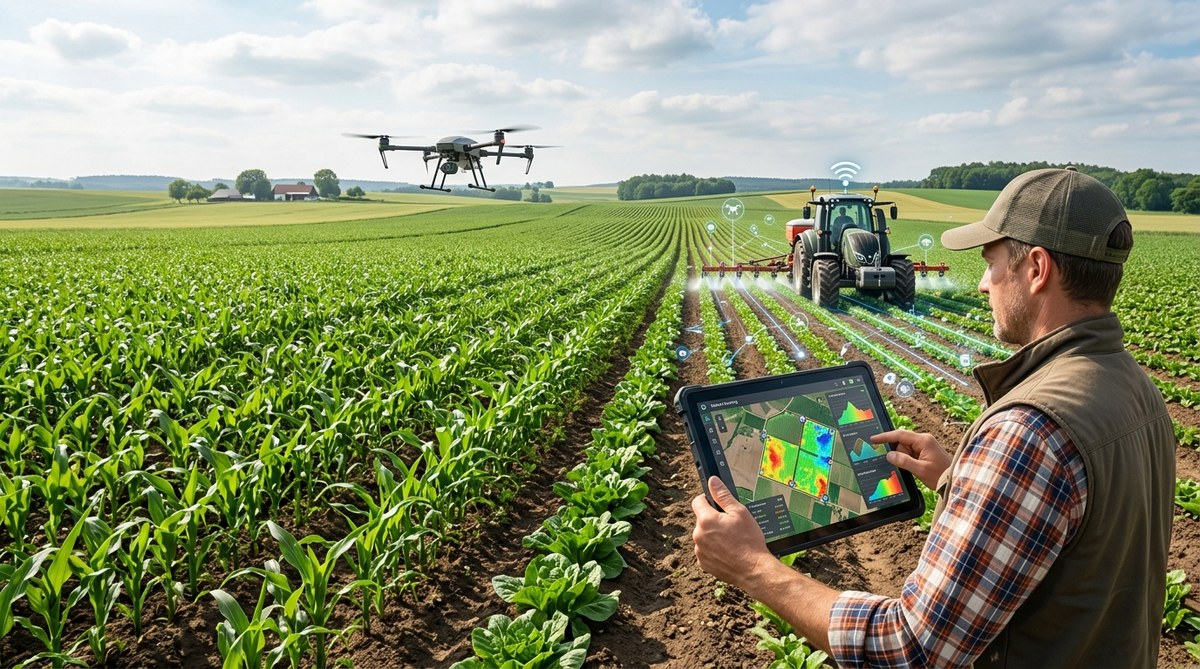
Agricultural success today hinges on how well farmers adapt to new technologies and methods. Precision farming techniques have revolutionized crop management, enabling farmers to increase yields while minimizing resource use. By leveraging data, sensors, and advanced machinery, growers can fine-tune their practices for optimal results. This approach not only boosts productivity but also promotes sustainable farming. Let’s explore the most effective ways to incorporate precision farming into your operation and see tangible improvements in your harvests.
Precision farming techniques offer a practical path to increase crop yields naturally. Using data, sensors, and targeted practices helps farmers optimize resources, reduce waste, and boost productivity in sustainable ways. Incorporating these methods can transform your farm’s growth potential and profitability.
Understanding the core of precision farming and its benefits
Precision farming involves using technology to monitor, analyze, and manage crops at a highly detailed level. It relies on collecting real-time data and applying targeted treatments to improve crop health and yields. The goal is to work smarter, not harder, by focusing resources where they are needed most. This approach results in healthier plants, less waste, and higher productivity without the need for excessive inputs.
Why precision farming is a game changer
Traditional farming often involves uniform application of fertilizers, water, and pesticides. This can lead to overuse or underuse, limiting yields and harming the environment. Precision techniques allow for tailored management, ensuring each part of the field gets exactly what it needs. This not only boosts crop yields but also promotes sustainability and reduces costs over time.
Practical steps to implement precision farming techniques
-
Assess Your Farm’s Needs and Goals
Start by identifying what you want to improve—be it yield, resource efficiency, or crop quality. Conduct soil tests and analyze your historical harvest data to understand your field’s specific conditions. Setting clear objectives helps you choose the right tools and strategies. -
Invest in the Right Technology
Equip your farm with sensors, GPS-guided machinery, and data collection tools. Soil moisture sensors, for example, provide real-time insights into water needs, preventing both overwatering and drought stress. Drones and satellite imagery can monitor crop health across large areas efficiently. -
Adopt Data-Driven Management Practices
Use collected data to make informed decisions. For instance, variable rate technology allows you to apply fertilizers or pesticides precisely where needed. Regularly analyze your data to track progress and adjust your practices accordingly.
Additional techniques to consider
- Use soil mapping to identify nutrient deficiencies and tailor amendments.
- Implement variable rate irrigation to optimize water use.
- Employ remote sensing for early detection of pest or disease outbreaks.
- Practice crop rotation and cover cropping for soil health improvement.
- Integrate precision planting to ensure optimal seed placement and density.
- Utilize weather forecasting tools to plan planting and harvesting activities.
Common mistakes to avoid with precision farming
| Technique | Mistakes to watch for |
|---|---|
| Over-reliance on technology | Ignoring traditional knowledge or field observations |
| Inadequate data analysis | Making decisions without proper interpretation of data |
| Poor calibration of sensors | Using uncalibrated equipment leading to inaccurate readings |
| Ignoring soil variability | Treating the entire field uniformly despite differences |
| Underestimating costs | Not budgeting for initial investments and ongoing maintenance |
Expert insights on precision farming success
“The key to successful precision farming is understanding your field’s unique needs and using technology to address them precisely. It’s about working smarter, not harder.” — Dr. Emily Carter, agritech specialist
Combining techniques for maximum impact
Implementing multiple precision farming practices simultaneously can multiply benefits. For example, combining soil mapping with variable rate application ensures nutrients are applied efficiently. Regular crop monitoring using drones can detect issues early, allowing for quick intervention. The synergy of these methods results in healthier crops and higher yields.
How to integrate precision farming into your routine
- Start small by adopting one or two techniques.
- Gradually expand as you gain confidence and data.
- Train your team on new equipment and practices.
- Collaborate with agricultural advisors or tech providers for support.
- Keep detailed records to measure progress and refine strategies.
The future of crop management through innovation
Advancements in artificial intelligence and machine learning are making precision farming even smarter. Predictive analytics can forecast crop performance and suggest optimal interventions. Integrating https://farmdog.ag/harnessing-iot-devices-to-transform-modern-farming-practices/ allows farmers to automate many tasks, saving time and effort.
Embracing these innovations can lead to more resilient, productive farms that meet global demand sustainably. Staying updated on emerging technologies and continuously testing new methods will keep your farm at the forefront of agriculture.
Final thoughts: Putting precision farming into practice
Incorporating precision farming techniques to boost crop yields naturally is a practical journey that pays off in the long run. Focus on understanding your field’s specific needs and leverage technology to tailor your management. Remember, small adjustments today can lead to significant improvements tomorrow.
By embracing data-driven practices and avoiding common pitfalls, you can maximize your farm’s productivity while conserving resources. Start with the techniques that fit your operation and build from there. With patience and persistence, precision farming can transform your agricultural success.
Harnessing data for a more productive farming future
Agriculture constantly evolves, and integrating precision farming methods is a smart move for any grower committed to sustainability and growth. Take the time to evaluate your current practices, invest in the right tools, and apply data-driven decisions. Your crops will thank you with better yields, and your farm will benefit from increased efficiency and profitability.
