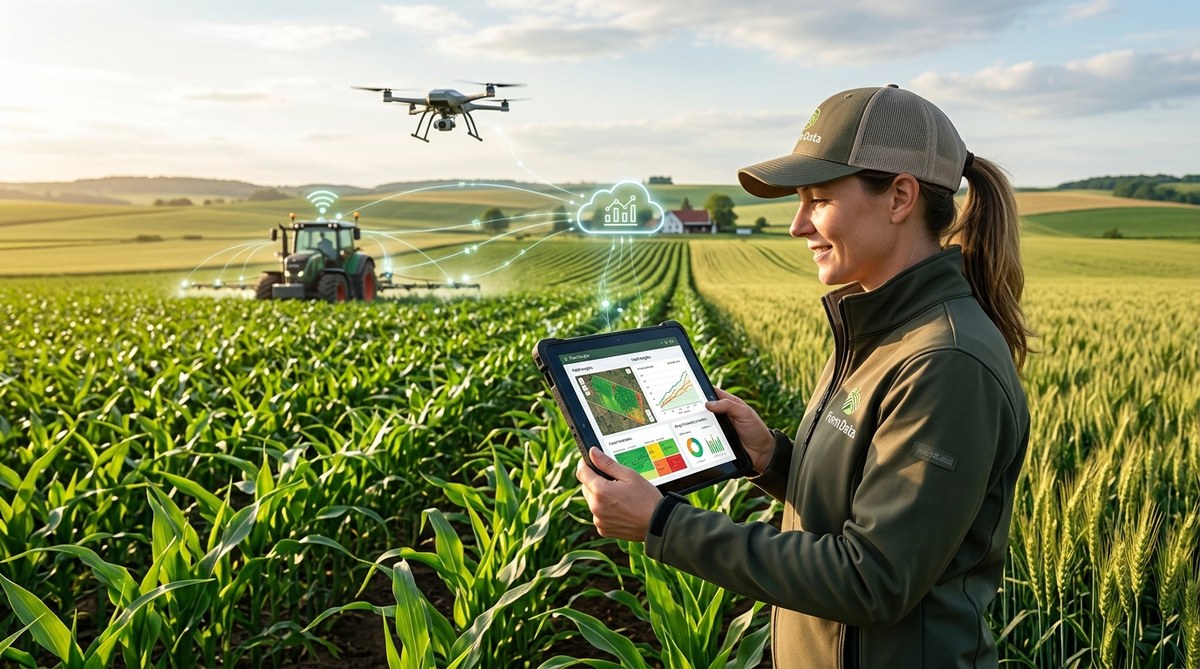
Harnessing farm data has become a game-changer for farmers looking to improve crop yields and farm efficiency. By tapping into the wealth of information generated through digital tools, sensors, and analytics, agriculture professionals can make smarter decisions. This approach leads to healthier crops, optimized resource use, and ultimately, better profitability. Embracing data-driven farming practices is no longer optional; it is essential for staying competitive in today’s rapidly changing agricultural landscape.
Harnessing farm data transforms traditional farming by enabling precise management of resources and practices. Using digital tools, sensors, and analytics helps unlock higher crop yields and farm efficiency without guesswork. This data-driven approach supports sustainable farming and boosts overall productivity in a natural way.
Understanding the Power of Farm Data
Modern farms generate a vast amount of information daily. From soil health metrics and weather patterns to crop growth stages and input usage, this data holds the key to smarter farming. When properly harnessed, it allows farmers to make informed decisions that improve crop outcomes and optimize resources.
Data collection methods are varied but increasingly accessible. Mobile apps, IoT sensors, satellite imagery, and drones provide real-time insights into farm conditions. These tools help identify issues early, such as nutrient deficiencies or pest outbreaks, enabling targeted interventions. By harnessing this information, farmers can reduce waste, lower costs, and increase yields naturally.
Practical Steps to Boost Crop Productivity with Farm Data
-
Gather Accurate Data Continually
Start by establishing a routine for collecting key farm metrics. Use soil sensors to monitor moisture and nutrient levels. Employ weather stations or apps for local climate data. Regularly record crop growth stages and pest observations. The more precise your data, the better your decisions will be. -
Analyze and Interpret Your Data
Utilize simple analytics tools or farm management software to interpret the information collected. Look for patterns such as optimal watering times, nutrient deficiencies, or pest hotspots. Understanding these trends allows you to plan interventions that suit your specific farm conditions. -
Implement Data-Driven Practices
Apply insights gained to adjust irrigation schedules, fertilization, and pest control methods. For example, if data shows soil is low in nitrogen, apply a targeted fertilizer instead of broad-spectrum treatments. Use variable rate technology where possible to apply inputs precisely and naturally improve crop health.
How to Make Data Work for Your Farm
- Conduct soil tests regularly and compare results over seasons.
- Use weather forecasts combined with field data to plan planting and harvesting.
- Incorporate crop health imagery from drones or satellites for early detection of issues.
- Automate irrigation and fertilization based on real-time sensor data.
Common Techniques and Mistakes in Data-Driven Farming
| Techniques | Mistakes to Avoid |
|---|---|
| Using sensors for soil moisture and nutrients | Relying on outdated or inaccurate data |
| Implementing variable rate fertilization | Ignoring data patterns and sticking to routine |
| Combining weather data with farm metrics | Overcomplicating data analysis without clear goals |
| Regularly updating data and practices | Neglecting to verify sensor calibration |
“The key to leveraging farm data effectively is consistency and understanding. Data isn’t useful if it’s ignored or misinterpreted,” advises agritech specialist Lisa Carter.
The Role of Technology in Data-Driven Agriculture
Advancements in technology make harnessing farm data easier than ever. IoT devices track soil moisture and crop health continuously. Drones capture high-resolution images to spot early signs of disease or pest infestation. Cloud-based platforms aggregate data from various sources, providing a comprehensive view of farm conditions.
These tools not only help in making real-time decisions but also facilitate long-term planning. By analyzing historical data, farmers can identify trends and prepare for future seasons. Technology acts as an extension of your senses, bringing clarity and precision to every aspect of farming.
Building a Data-Driven Farm for Natural Growth
Adapting to a data-focused approach requires a mindset shift. Start small by integrating one or two digital tools into your routine. Track results and adjust practices based on insights. Over time, expand your data collection and analysis efforts to encompass all facets of your farm.
Remember, the goal is to use data to support natural growth. Instead of forcing crops into predefined standards, tailor practices to your farm’s unique conditions. This approach promotes sustainability, reduces chemical use, and encourages healthy soil and plant systems.
Overcoming Challenges in Harnessing Farm Data
While technology offers many benefits, challenges exist. Data overload can be overwhelming. To avoid analysis paralysis, focus on key indicators relevant to your crops and goals. Investment in sensors and software may seem costly initially, but the long-term savings and yield improvements justify the expense.
Training and technical support are vital. Farm staff or owners should understand how to interpret data and implement changes. Partnering with local agricultural extension services or technology providers can facilitate this process.
Why Every Farmer Should Harness Farm Data Naturally
Harnessing farm data to boost crop productivity is about making smarter, more sustainable choices. It’s not about replacing traditional knowledge but enhancing it with precise, timely information. As the digital age advances, integrating data into your farming practices can lead to healthier crops, better resource use, and increased profitability.
Start by embracing small, consistent steps. Use the right tools, analyze results carefully, and adapt your practices accordingly. The future of farming is rooted in understanding your land deeply and responding naturally with data-guided insights.
Cultivating a Data-Driven Mindset for Lasting Success
Applying data-driven practices to your farm is an ongoing journey. Each season offers new insights. Keep refining your methods, stay open to new technology, and remain committed to natural crop growth. Your farm’s health and productivity depend on your ability to harness insights and act wisely.
Remember, the most successful farmers view data as a tool to support their intuition and experience. Combining the two creates a resilient, thriving farm that can meet the challenges of modern agriculture while respecting the land’s natural rhythms.
Harnessing farm data is an empowering way to naturally boost crop productivity. By making informed decisions based on accurate, timely information, farmers can improve yields and farm efficiency sustainably. Start small, stay consistent, and watch your farm thrive through the smart use of technology and insights.
