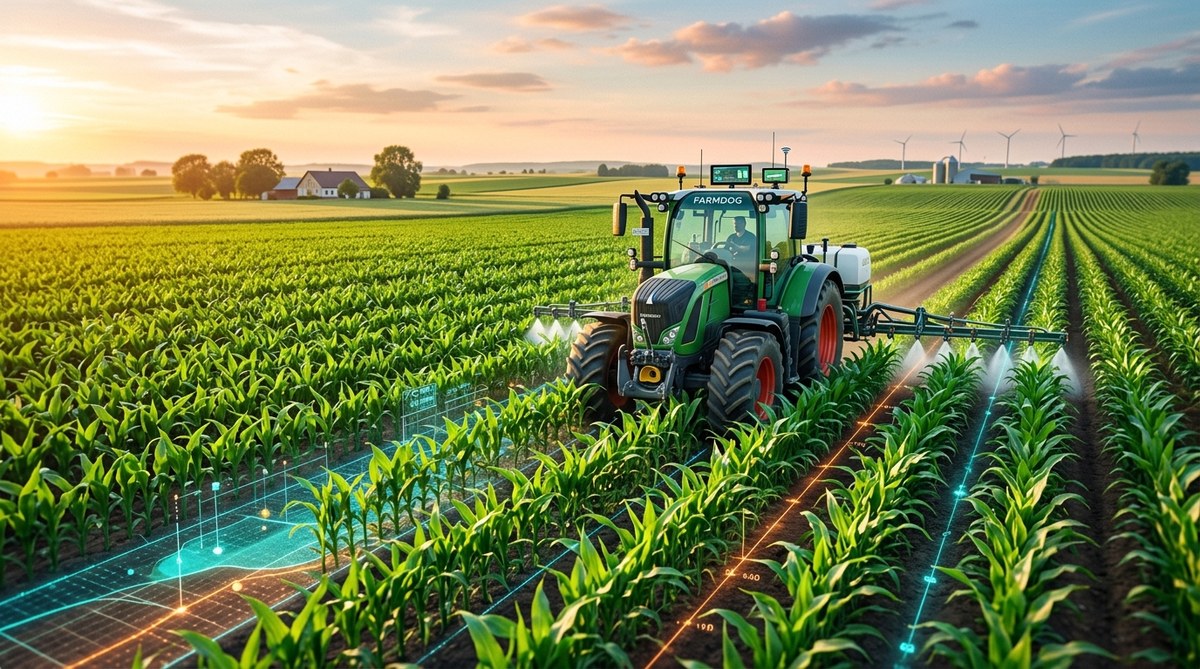
Achieving higher crop yields is a goal shared by farmers and agronomists alike. But with the complexity of modern agriculture, simply applying fertilizers more heavily isn’t enough. Instead, precision fertilization techniques offer a smarter way to supply nutrients exactly where, when, and in what amounts crops need them most. These methods not only improve productivity but also support sustainable farming by reducing waste and environmental impact.
Implementing targeted fertilization based on soil conditions, crop stage, and data analysis can significantly boost yields. Practical steps include soil testing, variable rate application, and ongoing monitoring. These techniques help optimize nutrient use and minimize waste for more sustainable, profitable farming.
Understanding the importance of precision fertilization for crop growth
Traditional fertilization often involves blanket applications that may not align with the specific needs of each field or crop stage. This approach can lead to over-application, nutrient runoff, and wasted resources. Precision fertilization addresses these issues by tailoring nutrient delivery based on detailed insights into soil and crop conditions.
Advanced technologies enable farmers to analyze soil health, monitor crop development, and precisely apply nutrients. This leads to healthier plants, higher yields, and a more sustainable farming operation. Using data-driven methods also helps farmers adapt quickly to changing conditions, ensuring that crops receive the right nutrients at the right time.
Practical steps for implementing precision fertilization techniques
Applying precision fertilization effectively involves a series of logical steps. Here are three core processes to guide your strategy:
- Conduct thorough soil testing
- Use variable rate technology for fertilizer application
- Monitor crop health continuously and adjust practices accordingly
1. Conduct thorough soil testing
Soil testing is the foundation of precision fertilization. It reveals nutrient levels, pH, organic matter, and other vital factors. Testing should be done at multiple points across a field to identify variability. This data informs a tailored fertilization plan that supplies nutrients exactly where they are needed most.
For best results, perform soil tests before planting and periodically throughout the growing season. Many farms utilize mobile testing labs or send samples to local labs for detailed analysis. Remember, accurate soil data helps prevent over-fertilization and reduces environmental impact.
2. Use variable rate technology for fertilizer application
Variable rate technology (VRT) allows farmers to apply fertilizers at different rates across a field, based on the soil and crop data collected. This technology integrates GPS-guided equipment with soil maps, enabling precise nutrient placement.
For example, areas with low nutrient levels receive more fertilizer, while zones with ample nutrients get less. This targeted approach maximizes crop uptake and minimizes waste. Many modern seeders and sprayers are equipped with VRT capabilities, making this process accessible even for mid-sized farms.
3. Monitor crop health continuously and adapt
Regular crop monitoring is essential to refine fertilization practices. Techniques include remote sensing with drones, satellite imagery, and on-the-ground scouting. These tools help identify nutrient deficiencies, pest issues, or stress signs early.
Based on observations, farmers can adjust fertilization schedules and amounts. This adaptive management ensures that crops stay on track for optimal growth and yield. Investing in ongoing monitoring helps catch problems before they become severe, saving time and resources.
Key techniques for precision fertilization
Implementing the above steps can be enhanced with specific techniques that support crop yield optimization:
- Soil mapping: Creating detailed nutrient maps guides targeted fertilizer application.
- Split applications: Applying fertilizers in multiple doses during different growth stages improves nutrient availability.
- Use of sensors: Soil and plant sensors provide real-time data on nutrient levels and plant health.
- Nutrient timing: Synchronizing fertilization with key growth phases maximizes efficiency.
- Integration with weather data: Adjusting plans based on weather forecasts prevents nutrient loss through runoff or leaching.
Common mistakes to avoid
| Technique | Mistake |
|---|---|
| Over-reliance on initial soil tests | Failing to update soil data during the season |
| Ignoring crop responses | Not adjusting fertilization based on plant feedback |
| Uniform application across fields | Missing variability and overspending |
| Neglecting environmental factors | Applying fertilizers before heavy rains |
| Skipping ongoing monitoring | Missing early signs of deficiencies or stress |
Expert advice on precision fertilization
“The core of successful crop nutrition today lies in understanding the variability within fields and applying nutrients precisely where they are needed. This approach not only boosts yields but also supports sustainable farming practices,” emphasizes Dr. Lisa Carter, an agronomy specialist with decades of experience.
Mistakes farmers often make with fertilization and how to avoid them
Many farmers fall into common traps that undermine their efforts. These include over-fertilizing, neglecting soil variability, or ignoring crop responses. To prevent these mistakes, it is vital to base decisions on solid data and keep updating your practices based on ongoing observations and results.
Using tools like soil sensors and GPS-guided equipment simplifies targeted application. Also, collaborating with local agronomists or utilizing online resources can help you stay on track.
The future of crop yield optimization through precision
Advances in technology continue to push the boundaries of what is possible in precision fertilization. Emerging tools such as artificial intelligence, machine learning, and IoT devices promise even more accurate and efficient nutrient management.
Farmers who adopt these innovations early will benefit from higher yields, lower input costs, and reduced environmental impact. Aligning your practices with these trends ensures your farm remains competitive and sustainable in the long run.
Practical tips for success with precision fertilization
- Start simple: Use basic soil testing and VRT to see immediate benefits.
- Keep records: Document fertilization rates, crop responses, and environmental conditions.
- Continually learn: Stay updated on new technologies and methods.
- Collaborate: Work with local extension services or agri-tech providers for tailored advice.
- Be adaptable: Adjust your strategies based on crop performance and changing conditions.
Final thoughts on maximizing crop yields with precision fertilization
Implementing precision fertilization techniques requires commitment but rewards with healthier crops and better yields. Focus on understanding your soil, leveraging technology, and monitoring diligently. These practices create a cycle of continuous improvement that benefits your farm’s productivity and sustainability.
Take the time to analyze your fields carefully, apply nutrients thoughtfully, and adapt based on crop feedback. In doing so, you’ll build a resilient farming system that supports both your goals and the environment.
Unlocking the full potential of your fields
As you incorporate these techniques, remember that success is a journey. Start with small steps, learn from each season, and refine your approach. Precision fertilization is about making smarter choices every time you work the land. With patience and persistence, your farm can reach new heights of productivity and sustainability.
By embracing data-driven, targeted fertilization methods, you set your farm up for a prosperous future. Use soil analysis, variable rate application, and ongoing monitoring as your guiding principles. These practical steps will help you grow more with less waste and environmental impact.
