Pest control remains one of the biggest challenges for modern farmers. As farming practices evolve, so do the pests that threaten crop health. From invasive insects to resistant weeds, pests adapt quickly, demanding smarter approaches. Thankfully, advances in agricultural technology and integrated strategies offer durable solutions. Implementing effective pest management in modern farming can help farmers protect their investments while maintaining ecological balance. Let’s explore how to build a pest control plan that’s both efficient and sustainable.
Modern pest management combines understanding pest behavior, monitoring, biological controls, and targeted chemical use. This comprehensive approach protects crops, reduces chemical reliance, and promotes farm sustainability.
Understanding the Foundations of Pest Management in Modern Farming
Effective pest management today hinges on a clear understanding of pests and their interactions with crops. It’s not just about killing pests but about managing their populations in ways that align with ecological health and farm productivity. The shift from reactive to proactive strategies is key. Farmers now focus on prevention, early detection, and targeted interventions that minimize environmental impact while safeguarding yields.
Practical Steps to Implement Sustainable Pest Control
-
Identify and monitor pest populations regularly
Accurate identification is crucial. Use scouting and monitoring tools to track pest presence and activity levels. This helps determine if intervention is necessary and guides decision-making. -
Use biological controls and natural enemies
Introduce or encourage beneficial insects and microorganisms that naturally suppress pests. For example, releasing ladybugs to control aphids or using Bacillus thuringiensis (Bt) for caterpillar management can significantly reduce chemical inputs. -
Apply targeted, environmentally friendly pesticides
When chemical control is needed, choose products that are specific to pests and have minimal effects on non-target organisms. Always follow recommended application guidelines to prevent resistance buildup.
Techniques and Mistakes in Pest Management
| Technique | Mistake to Avoid |
|---|---|
| Crop rotation | Ignoring pest life cycles leading to resistance |
| Selective pesticide use | Overusing broad-spectrum chemicals |
| Biological control | Introducing non-native species without proper research |
| Monitoring pests | Relying solely on calendar-based treatments |
Embracing an Integrated Approach
The most successful modern pest management combines multiple tactics. An integrated pest management (IPM) plan considers cultural, biological, physical, and chemical methods. It emphasizes prevention and early intervention, reducing the need for heavy chemical applications.
“The goal of IPM is to manage pests at acceptable levels using the least possible hazard to people and the environment,” advises Dr. Jane Smith, an entomologist specializing in sustainable agriculture.
Practical Process for Modern Pest Management
- Scout regularly to detect pest presence early.
- Assess pest levels against economic thresholds to decide if intervention is necessary.
- Choose appropriate control methods based on pest type, crop stage, and environmental conditions.
- Implement control measures carefully, combining biological, cultural, and chemical tactics as needed.
- Record and evaluate results to refine future strategies.
Harnessing Technology for Smarter Pest Control
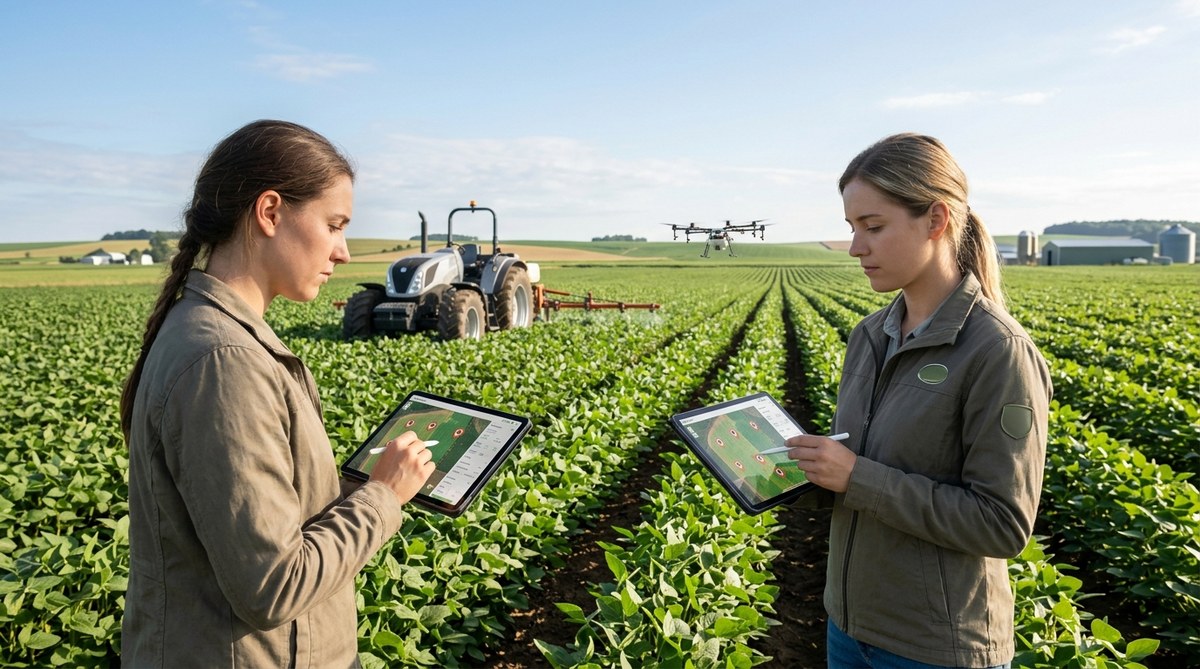
Modern farming benefits greatly from technological innovations. Remote sensing, drones, and IoT devices enable real-time pest detection and monitoring. Data analytics help predict pest outbreaks based on weather patterns and crop history, allowing proactive responses. For example, weather-based forecasting models can alert farmers to high-risk periods for pest infestations, guiding timely interventions.
Common Pitfalls and How to Avoid Them
Farmers often make mistakes that reduce the effectiveness of pest management efforts. Over-reliance on chemical pesticides can lead to resistant pests, harming long-term farm productivity. Failing to monitor pests regularly results in late interventions, increasing crop damage. Misidentifying pests may cause inappropriate control measures that waste resources.
To avoid these pitfalls, focus on continuous monitoring and identification. Use integrated methods to maintain pest populations at manageable levels. Always consider the ecological impact of control tactics and prioritize sustainable options.
Techniques and Mistakes in Pest Management
| Techniques | Mistakes to Avoid |
|---|---|
| Crop diversification | Relying on a single crop, which can attract specific pests |
| Biological agents | Not matching biological controls to pests’ biology |
| Mechanical barriers | Skipping maintenance, leading to ineffective barriers |
| Chemical controls | Using pesticides without proper timing or dosage |
Why a Balanced Approach Works
Pest management in modern farming isn’t about eradication. It’s about balancing pest populations to protect crop yields while preserving ecological health. Incorporating practices like crop rotation, habitat management, and resistant varieties can reduce pest pressure naturally.
“A diversified approach that combines biological, cultural, and chemical methods offers the best chance for sustainable pest control,” explains agronomist Mark Johnson.
Final Tips for Practical Pest Management
- Keep detailed records of pest occurrences and control measures.
- Stay updated on new pest threats and management techniques.
- Engage with local extension services or agricultural research for tailored advice.
- Educate farm workers about pest identification and monitoring procedures.
- Invest in training and technology that enhance early detection and decision-making.
Growing Smarter with Sustainable Pest Strategies
Adopting effective pest management in modern farming is a continuous process. It involves understanding pest behavior, monitoring populations, and applying targeted controls. By integrating biological controls, cultural practices, and precision technology, farmers can protect their crops without over-relying on chemicals. This balanced approach supports long-term farm health, productivity, and ecological sustainability.
Applying these strategies may require adjustments to your current practices, but the benefits are clear. Better pest management leads to healthier crops, lower input costs, and a more resilient farm. Start small, measure results, and refine your approach. The future of farming depends on smarter pest control—your crops will thank you.
Adapting Pest Management for Future Farming Success
Sustainable pest management isn’t a one-time effort. It’s an ongoing commitment to learning, monitoring, and adjusting. By staying informed about pest trends and embracing innovative solutions, you can keep pests at bay effectively. Remember, a healthy farm is one where pests are managed responsibly, and the environment is protected.
Take these insights into your daily routine and watch your farm thrive with smarter, more sustainable pest control practices.
